
Several Quick Solves to Common Car Issues
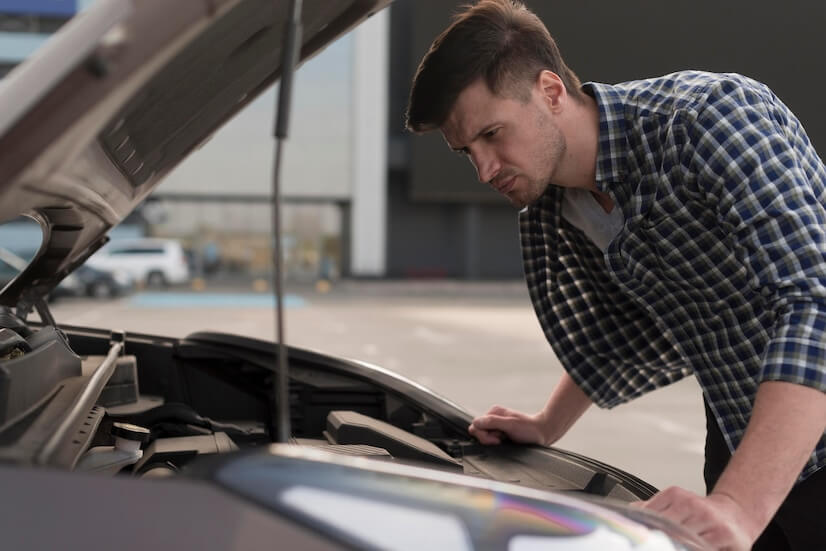
Most folks find it rather disconcerting to face the possibility of something wrong with their vehicle, such as the car suddenly stopping in traffic when you’re pressed for time. This predicament is worse if you have no concept of what part of the vehicle was faulty or how to remedy it. As you’re probably aware, common automotive issues arise unexpectedly.
It’s safe to say you have to have some knowledge of the parts and components of a car, especially if you own one. However, knowing how to troubleshoot the most common issues yourself is a useful skill. This article will teach you about simple, common car problems so you can become more self-sufficient with your driving and less dependent on repairs.
5 Fast Tips To Fix Common Car Problems
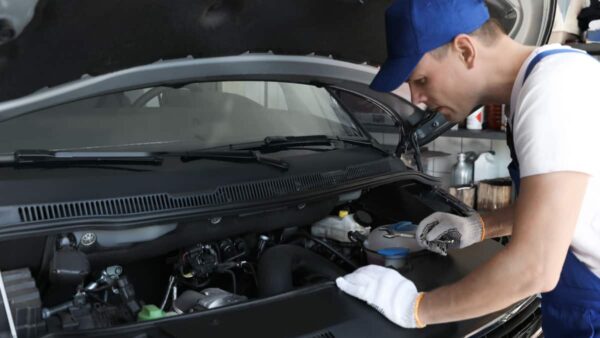
When you are busy and dealing with car issues, it can be frustrating, especially in a hurry. Knowing how to remedy simple, common problems that apply to your car is a valuable skill that all drivers should possess.
You don’t have to stress or call a mechanic for every small issue that you can deal with yourself. With some basic tips for troubleshooting car problems mentioned in the following paragraphs you can efficiently identify and help repair your automobile issues and also feel safe on the remainder of your trip.
1. Flat or punctured tires
A flat or punctured tire is ground for concern and can be a frustrating vehicular issue, and it can occur to anyone at any time, usually at the most inconvenient times. There is no reason to panic when faced with this dilemma.
First, look for a safe area to pull over. Check the tire for nails or other sharp objects. If you have a spare tire, and the tools to change it, then you can attempt to change it yourself. This basic skill may be useful for you in an emergency situation and can save you a great deal of time, and headaches too, as well as potentially save you from having to pay for towing your car because that can be ridiculously expensive!
2. Ineffective braking
Decreased brake performance, often referred to as unresponsive brakes, is a serious problem which should be dealt with quickly, especially for drivers.
Severe symptoms to look out for such as metallic grinding noise, or brakes that seem to not work all together, especially at high temperature, should be taken seriously. There is usually a problem with either worn brake pads or uneven brake discs.
Make sure to check the brake fluid level regularly and do not ignore these initial warning signs, as the right response right now could save you from damaging your brakes further, and more crucially, could protect you.
3. Engine won’t start
When you have a vehicle that won’t start, it’s easy to think something serious is wrong with it. But sometimes a blown fuse could prevent the ignition system or gasoline pump from working. Look at the fuse box either underneath the dashboard or under the hood.
You can check the important fuses in your car’s manual. This is usually pretty easy and not expensive. Make sure you are also using the real car key, not some other key that hasn’t been registered in the immobilizer system.
4. Air conditioning not functioning or not enough cooling
Long trips can be a bit tedious when your car air conditioning isn’t working, or worse, the air isn’t cool enough. Thankfully, the problem is not always as complicated as you might think. First, look at your cabin filter, which is typically clogged and obstructs airflow.
This problem can also develop due to a loose or broken belt that powers the fan and compressor from the engine. To some extent, you may be able to self-diagnose the problem and possibly even fix it yourself.
5. Inoperative Wipers
If your wipers fail to work in a sudden deluge, you may be staying longer than planned in a rain-soaked environment. There’s a lot of possible things you can check. Sometimes the problem is as simple as a blown fuse, or a wiper motor that isn’t working for a bit because it is momentarily blocked.
First check to see where your vehicle’s fuse box is located, then see if you can find any label for the wipers or washers. Simply replacing any blown fuses may be an easy fix. If the fuse isn’t the problem – check for something blocking the wiper blades and preventing the wipers from moving freely.
Knowing how to quickly fix car troubles is a valuable skill that can save time and money. With this basic knowledge, you won’t have to panic if you get a flat tire or if your engine has troubles in the middle of a trip. Knowing why things happen and how to fix the simple problems will make your travel more enjoyable and relaxing.
For more information on how to troubleshoot and maintain your car, check out CRVguide.com. You will find useful, informative, and helpful suggestions to keep your treasured vehicle in top shape.






0